
Colt starting for barrel prospects in Texas.
A young horse only gets one start. Champion barrel racer Lexi Rankin starts 2–4 year olds toward the barrel pattern: soft, correct and never rushed.
Colt starting at Rank Equine is the foundation stage for a young horse headed to the barrel pattern, typically a 2–4 year old. Champion barrel racer Lexi Rankin does the work herself at the 110-acre ranch near Jacksboro, Texas, about an hour northwest of Fort Worth: soft feel, body control and real-world exposure first, then poles, the pattern and speed when the colt is ready. Colts are welcome from any state; call 817-600-3575.
Starting a colt sets up every run after it.
The habits a horse learns early are the habits it brings to the alley years later. A good start makes everything that follows easier.
Hesitating at the first barrel, running flat in the turn, leaving the alley inconsistently — the habits Lexi fixes in problem barrel horses are easier to prevent than to undo. Starting a colt with correct fundamentals is how you prevent them. That is why the first stage of colt starting at Rank Equine has nothing to do with speed.
What the first months look like.
Every colt moves at its own pace. These are stages, not deadlines — a colt moves on when it is ready, and some stages take longer than others.
Foundation
Groundwork and manners, respect and softness. Under saddle, the focus is soft feel and correct body control, so the colt learns to give to pressure and carry itself in balance.
Exposure
Real-world exposure builds a colt that stays calm when things are new. A barrel horse has to handle a lot more than a quiet practice pen, and this is where that starts.
Toward the Pattern
When the basics are solid: poles, gradual pattern exposure and careful speed development. Short, focused sessions with measured progressions and rest built in.
Started by a barrel racer.
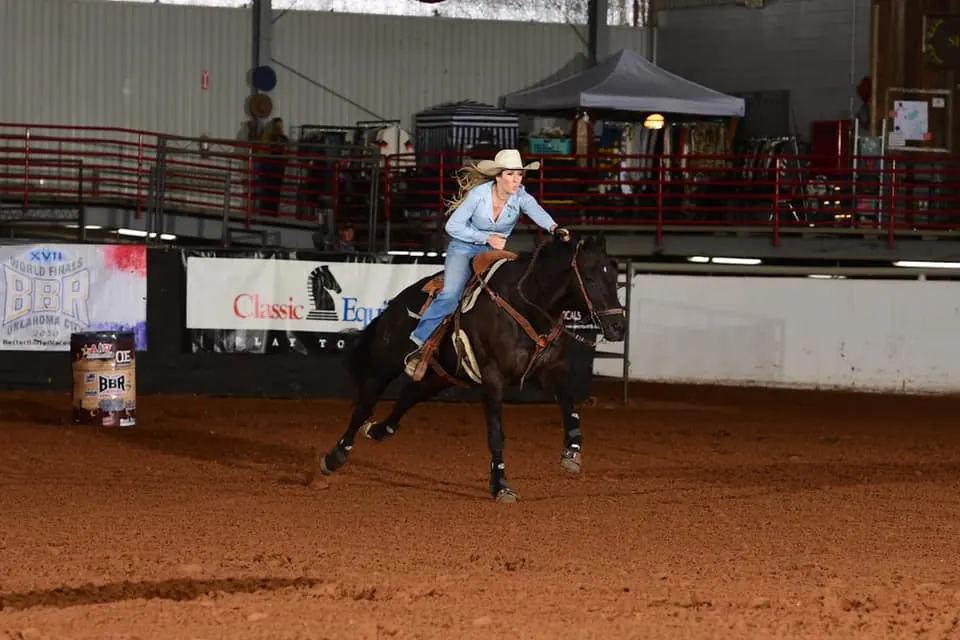
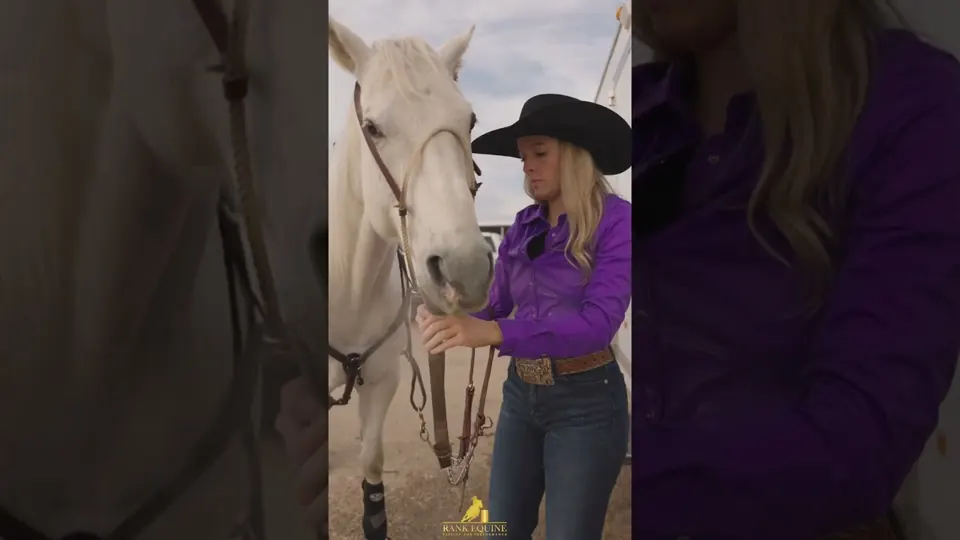
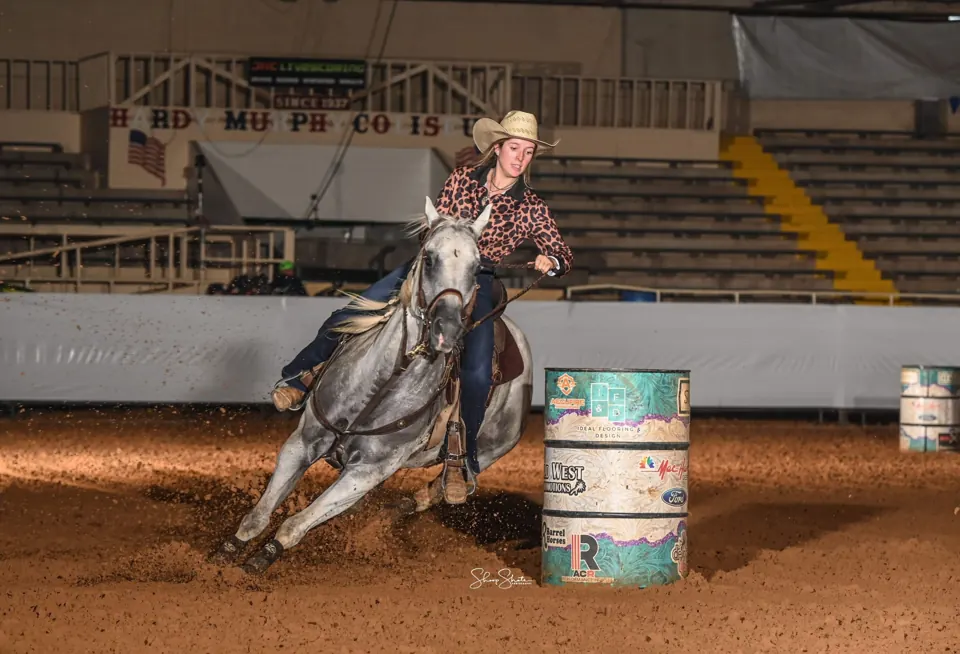
Lexi Rankin qualified for the 2021 BBR World Finals in Oklahoma City, competes in UPRA rodeos and still enters against NFR-level riders. She knows what a finished barrel horse needs because she runs them herself.
She works green prospects and seasoned performers alike, with a plan matched to each horse’s physical and mental stage. With a colt, that means a balanced canter, proper engagement and a soft, steady hand, so the horse can handle speed later without losing rhythm.
- Lexi rides every horse in her program herself
- Conditioning that builds quickness while protecting soundness
- Progress measured by the colt’s attitude and repeatability
From first call to first pattern.
Talk it through
A call with Lexi about your colt, its age and history, and what you want it to become.
Evaluate
Lexi assesses the colt — soundness, balance, mind and where it is in its training.
Train with a plan
Short, focused sessions with measured progressions. The colt sets the pace.
Hand off
You ride with Lexi and leave knowing what your colt knows and what to work on next.
Good colts travel, too.
Owners have hauled horses from as far as Alabama to train with Lexi. If you are sending a colt to Texas, your vet will need to issue a current Coggins test and a certificate of veterinary inspection before the trip. The out-of-state horse training page walks through the whole process, and the barrel horse training page covers tune-ups and problem horses once your colt is going. Choosing a prospect? Read how to pick a good barrel horse.
Straight answers.
What is colt starting?
Colt starting is the foundation stage of a young horse’s training. At Rank Equine it is aimed at the barrel pattern: soft feel, correct body control and real-world exposure come first, then poles, gradual pattern exposure and careful speed development — never rushed.
What age should a barrel prospect be started?
Colt starting is ideal for 2–4 year olds you want to point toward barrels. Lexi assesses every colt before setting a plan, because age is only part of the picture.
How long does it take to start a colt?
Every colt moves at its own pace, so there is no fixed timeline. Lexi tells you honestly where your colt is once she has seen it work, and the plan moves forward when the colt is ready, not when the calendar says so.
Can I send a colt to Texas from out of state?
Yes. Rank Equine takes horses from any state, and horses have already been hauled in from as far as Alabama. Texas requires every horse entering the state to have a current Coggins (EIA) test and a certificate of veterinary inspection (CVI).
How much does colt starting cost?
Training is priced to the horse and the program, so Lexi quotes after a short conversation about your colt. Call or text 817-600-3575 or book a call online for current rates and openings.
Start your colt the right way.
Call or text Lexi about your colt’s age, history and goals. She’ll give you an honest read and a plan.